


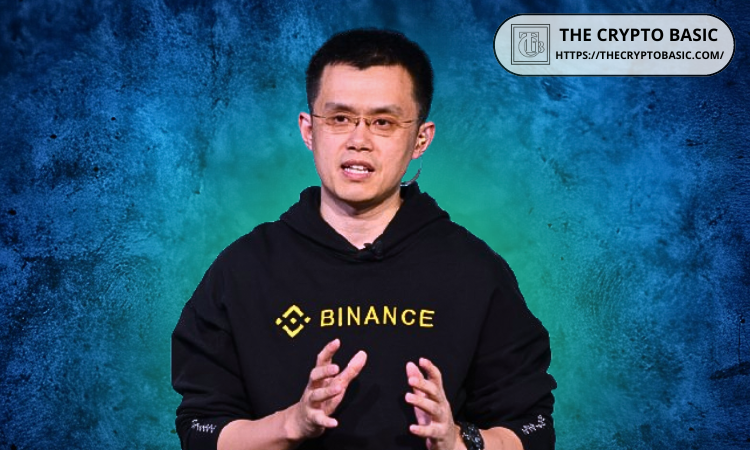

Pakistan could emerge as a major global player in cryptocurrency within the next decade, according to Changpeng “CZ” Zhao, the former CEO of Binance.
In a recent interview, Zhao highlighted the swift regulatory progress and rising digital adoption as evidence that Pakistan is laying a durable foundation for long-term crypto growth.
He argued that the country’s momentum is being driven by deliberate policy choices aligned with economic and demographic realities. At the core of this shift, Zhao said, is political leadership that recognizes Pakistan’s large, tech-savvy youth population.
Consequently, demand for digital assets is already evident, and policymakers have responded by treating crypto as a strategic opportunity rather than a fringe trend. This alignment between population needs and government action, he noted, has enabled faster decision-making than is typical in comparable markets.
A Narrow Window to Reach Global Crypto Status
Building on this foundation, Changpeng Zhao suggested that timing will be critical. If Pakistan maintains its current pace, it could join the ranks of leading crypto jurisdictions within five years.
He made these remarks during a conversation with Bilal bin Saqib, CEO of the Pakistan Crypto Council. As a strategic adviser to the council, Zhao is closely involved in ongoing policy discussions and regulatory planning.
Regulatory Structure Begins to Take Shape
This ambition is already reflected in recent policy developments. Over the past year, Pakistan has taken concrete steps to formalize its crypto ecosystem. For instance, authorities have established the Pakistan Virtual Assets Regulatory Authority to oversee the sector.
Meanwhile, major global exchanges, including Binance and HTX, have been cleared to operate in the country. Together, these moves aim to replace regulatory uncertainty with structure and oversight.
However, regulation represents only one pillar of the broader strategy. Zhao noted that Pakistan is also exploring initiatives such as building a Bitcoin reserve and tokenizing real-world assets. These efforts aim to attract foreign investment and enhance market liquidity.
Tokenized Markets Could Attract Global Capital
Within this vision, stock market tokenization stands out as a potential catalyst. Zhao explained that tokenized equities could allow international investors to access Pakistani stocks directly. Consequently, this approach opens domestic markets to global participation.
He noted that countries that move early on tokenization are likely to capture disproportionate benefits. Therefore, he urged Pakistan to act decisively while the opportunity remains open.
Blockchain Lowers Entry Barriers for Smaller Players
Beyond national policy, Zhao also highlighted opportunities for individuals and small businesses. He contrasted blockchain with traditional banking and artificial intelligence, both of which require significant capital, regulatory approval, or access to large datasets and computing power.
By comparison, blockchain operates in a largely virtual environment with lower entry barriers, making it more accessible to entrepreneurs and startups.
Still, Zhao cautioned that infrastructure alone will not be sufficient. He emphasized the importance of education, including university programs and startup incubators, in converting policy momentum into sustainable innovation. Without these supporting systems, entrepreneurial potential could remain underdeveloped.
Taken together, Zhao’s remarks suggest that Pakistan’s crypto future hinges on consistency and speed. Meanwhile, the vision, regulatory direction, and early initiatives are already in place. Consequently, if execution continues at the same pace, he believes Pakistan could stand among global crypto leaders by 2030.