



U.S. President Donald Trump has drawn a clear line between supporting the cryptocurrency industry and excusing criminal misconduct within it.
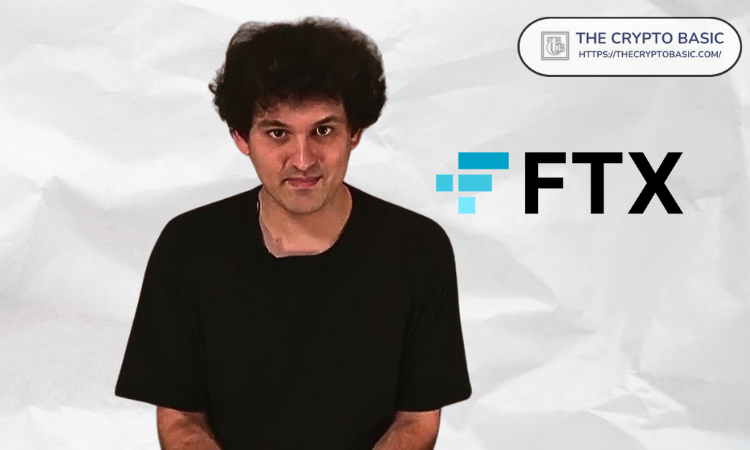
Speaking Thursday in an interview with The New York Times, Trump said he would not consider a pardon for Sam Bankman-Fried, the former chief executive of the now-defunct crypto exchange FTX.
His remarks came amid questions about several high-profile clemency requests and underscored his view that backing technological innovation does not extend to forgiving large-scale fraud.
Fraud Conviction Sets Bankman-Fried Apart
Bankman-Fried’s case stands out because of the scope and severity of the crimes involved. Specifically, in November 2023, a federal jury convicted him on multiple counts of fraud and conspiracy after prosecutors showed he had misused billions of dollars in customer funds. Subsequently, he was sentenced in March 2024 to 25 years in prison.
Although Bankman-Fried has appealed both his conviction and sentence, the appeals have produced no meaningful shift in the administration’s position.
Behind-the-Scenes Efforts Fall Short
Following the sentencing, Bankman-Fried’s family reportedly explored the possibility of executive clemency. As reported by The Crypto Basic, his parents began seeking legal advice and outreach options in January, roughly nine months after the sentence was handed down.
Those efforts allegedly included contacts with lawyers and individuals believed to be influential within Trump’s political orbit. However, Trump’s comments indicate that such overtures have failed to gain momentum.
Stark Contrast With Other Crypto Pardons
Trump’s refusal is particularly notable given his broader record of granting clemency in cryptocurrency-related cases. For context, in January 2025, he pardoned Ross Ulbricht, the founder of the Silk Road marketplace, who had been imprisoned since 2015.
Later, in March 2025, Trump extended clemency to other industry leaders, including the BitMEX co-founders and Binance founder Changpeng Zhao.
The administration has defended those decisions as appropriate uses of presidential authority. In November, White House Press Secretary Karoline Leavitt addressed Zhao’s pardon directly.
She said Trump acted well within his constitutional authority. She further argued that Zhao’s prosecution exemplified what she characterized as the Biden administration’s hostility toward the digital asset sector.
Business Interests Add to Scrutiny
During the same interview, Trump also responded to criticism over his family’s expanding business interests, including ventures tied to digital assets.
He said he sees no issue with those activities while in office. He also argued that earlier attempts to limit his family’s involvement produced no political benefit.
Trump framed his support for cryptocurrency as both politically and strategically motivated. He said public support for the industry translated into electoral gains.
At the same time, he described cryptocurrency as part of a broader competition with China for global leadership. Moreover, he dismissed concerns that easing regulations could create conflicts of interest, framing crypto as a matter of national strategy rather than personal gain.