

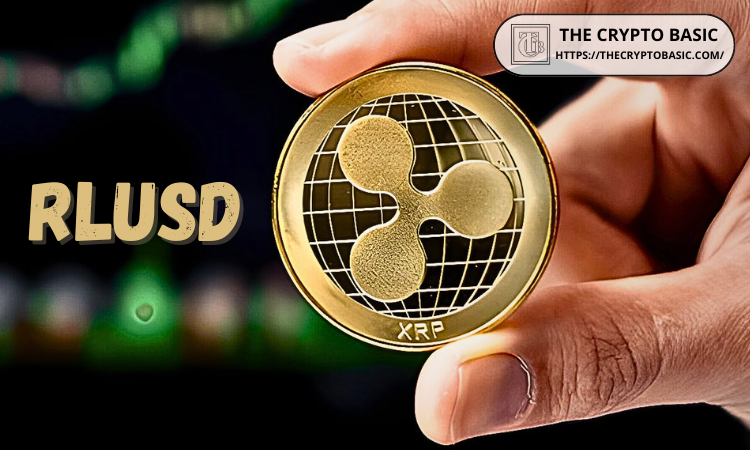

Global payments leader Mastercard is partnering with Gemini and Ripple to explore how RLUSD stablecoins can be used to settle traditional card payments on the XRP Ledger (XRPL).
The companies announced the initiative on Wednesday, describing it as a first for regulated U.S. banks in blockchain-based transaction settlement.
According to a joint statement, the project aims to integrate regulated stablecoins into Mastercard’s existing payment network. In doing so, it seeks to offer a faster and more transparent alternative to traditional clearing systems.
Stablecoin Settlement on XRP Ledger
Once operational, the pilot will allow a U.S.-regulated bank to complete card transactions using a regulated stablecoin on a public blockchain. Moreover, the settlement process will be conducted on XRPL, an open-source blockchain to optimize payment efficiency.
Ripple, which promotes the global adoption of the XRPL, is supporting the initiative. Through this effort, the company aims to demonstrate how blockchain technology can enhance settlement speed and reduce transaction friction.
Gemini’s Expanding Crypto Credit Card Ecosystem
Meanwhile, crypto trading platform Gemini, founded by Cameron and Tyler Winklevoss, continues to expand its credit card offerings. Its XRP edition card, issued through WebBank, already allows users to earn rewards in digital assets.
Last month, Gemini launched a Solana edition of its credit card, offering up to 4% cashback in SOL tokens.
According to Dan Chen, Gemini’s Chief Financial Officer, the company’s credit card program aims to make digital assets “a natural part of daily spending.”
WebBank, which issues Gemini’s cards, is also a participant in the RLUSD settlement project, according to the announcement.
Mastercard’s Growing Digital Asset Network
This collaboration builds on Mastercard’s expanding engagement with blockchain and digital asset firms. For instance, in June, the company partnered with Chainlink to enable direct on-chain fiat-to-crypto conversions for consumers.
Additionally, on the same day as the new announcement, Humanity Protocol, a digital identity solutions provider, revealed a partnership with Mastercard to use open finance technology for accessing credit, loans, and real-world financial services.
Crypto companies have increasingly launched debit and credit cards linked to digital assets to attract everyday users and generate additional revenue. Mastercard’s collaboration with Gemini and Ripple represents a significant step toward connecting these innovations with established financial infrastructure.
These initiatives could pave the way for stablecoin settlements to become a standard feature of global payment systems.
‘On XRP Sounds Better’
In the recent development, Ripple CEO Brad Garlinghouse joined a conversation on X/Twitter where people were discussing whether it’s more appropriate to say “on XRP” or “on XRPL.”
-
“on XRPL” is the technically correct term because XRPL (the XRP Ledger) is the actual blockchain network.
-
“on XRP” is less technical but more natural and recognizable to the broader public since XRP is the token most people associate with Ripple.
By agreeing that “on XRP” sounds better, Garlinghouse showed that he prefers using simpler, community-friendly language instead of being overly technical.
I agree, on XRP sounds better
— Brad Garlinghouse (@bgarlinghouse) November 5, 2025